Adventure vacations for travelers who want comfort, too
August 05, 2026
In 2026, the best adventure vacations are not just reserved for extreme athletes or survivalists. More travelers now want outdoor experiences that feel real and energizing, but still end with a comfortable room, a good meal, and time to recover.
This shift has changed the meaning of adventure. Instead of one rigid category, adventure travel now works on a spectrum: soft adventures for beginners and families, medium-intensity trips for active couples or friends, and harder expeditions for experienced travelers. Because today, the most successful adventure trip is the one that matches your fitness, comfort level, and appetite for the unexpected.
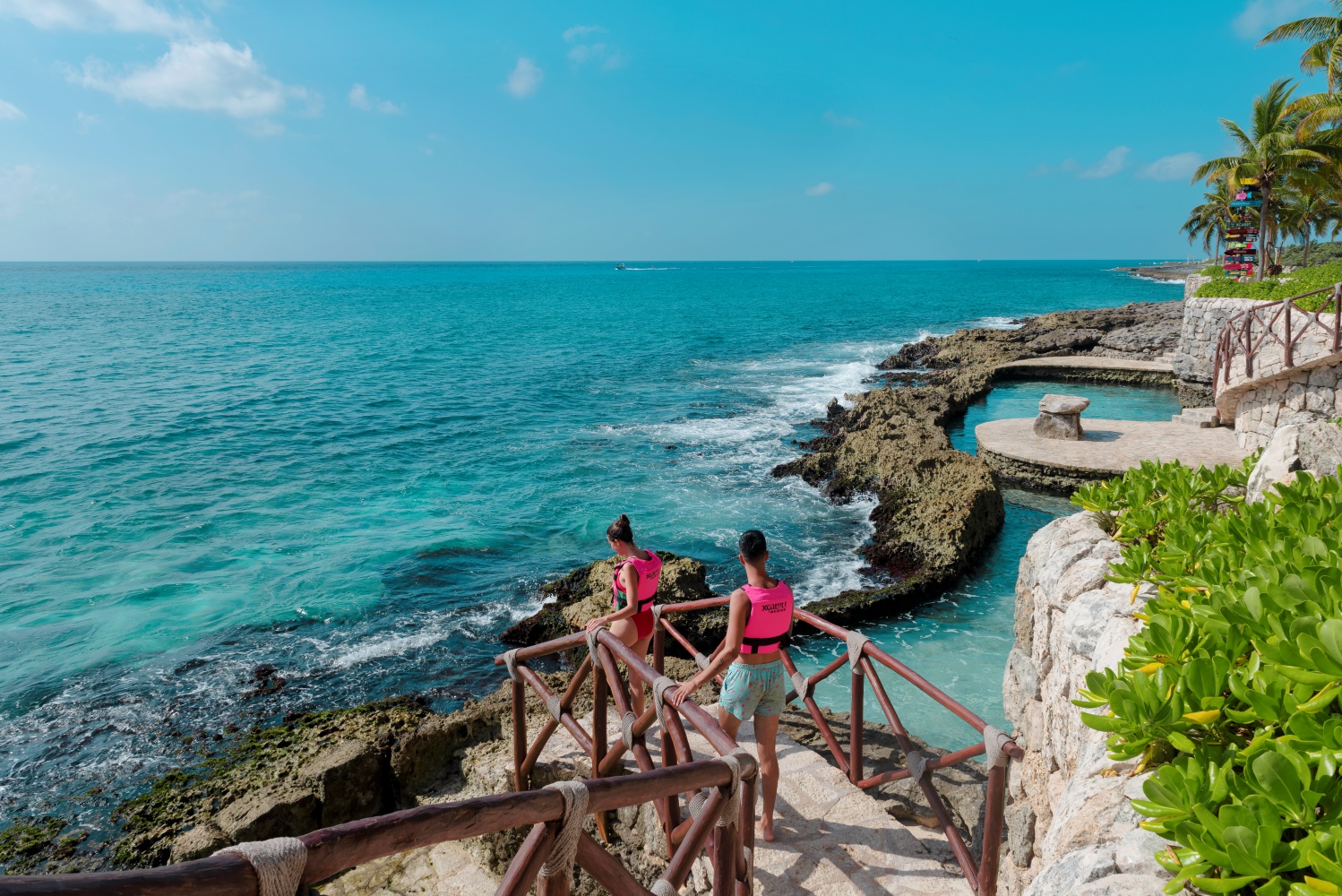
What does adventure travel mean nowadays?
Adventure does not have to mean danger. For many travelers, it means getting outside, moving through a new landscape, and feeling more connected to the place they are visiting.
Modern adventure can include:
Snorkeling in clear water
Hiking with a local guide
Kayaking through calm rivers or mangroves
Swimming in cenotes
Zip-lining above a jungle canopy
Cycling through scenic routes
Wildlife watching
Exploring caves or underground rivers
Learning about local ecosystems and conservation
The new version of adventure is less about proving yourself and more about participating in the destination with respect, curiosity, and enough support to actually enjoy it.
How to choose your adventure level
Before booking, be honest about the kind of trip you want. A vacation should stretch you a little, not leave you exhausted or anxious.
Soft adventure
Soft adventure works best for travelers who want nature and movement without major risk or intense physical demands. It is ideal for families, first-time international travelers, or couples who want activity balanced with rest.
Good signs this is your level:
You prefer guided experiences.
You want short activities with breaks.
You like water, nature, and scenery more than speed or altitude.
You want a comfortable hotel base.
You are traveling with kids, older relatives, or mixed fitness levels.
Medium adventure
Medium adventure suits travelers who are comfortable being active for several hours and want more variety. These adventure trips may include snorkeling, hiking, zip-lines, kayaking, rafting, or multi-activity days, but still leave room for a good dinner and a real bed.
Choose this level if:
You exercise regularly or enjoy active weekends.
You are comfortable with water or heights when safety equipment is provided.
You like guided challenges, but not extreme expeditions.
You can handle early starts or full activity days.
You want nature, culture, and comfort in the same itinerary.
Hard adventure
Hard adventure is better for experienced travelers who know how their bodies respond to altitude, remote settings, rough terrain, or multi-day physical effort.
This may include:
Multi-day trekking
Backcountry camping
Technical climbing
Remote diving
High-altitude routes
Long-distance cycling
Expedition-style travel
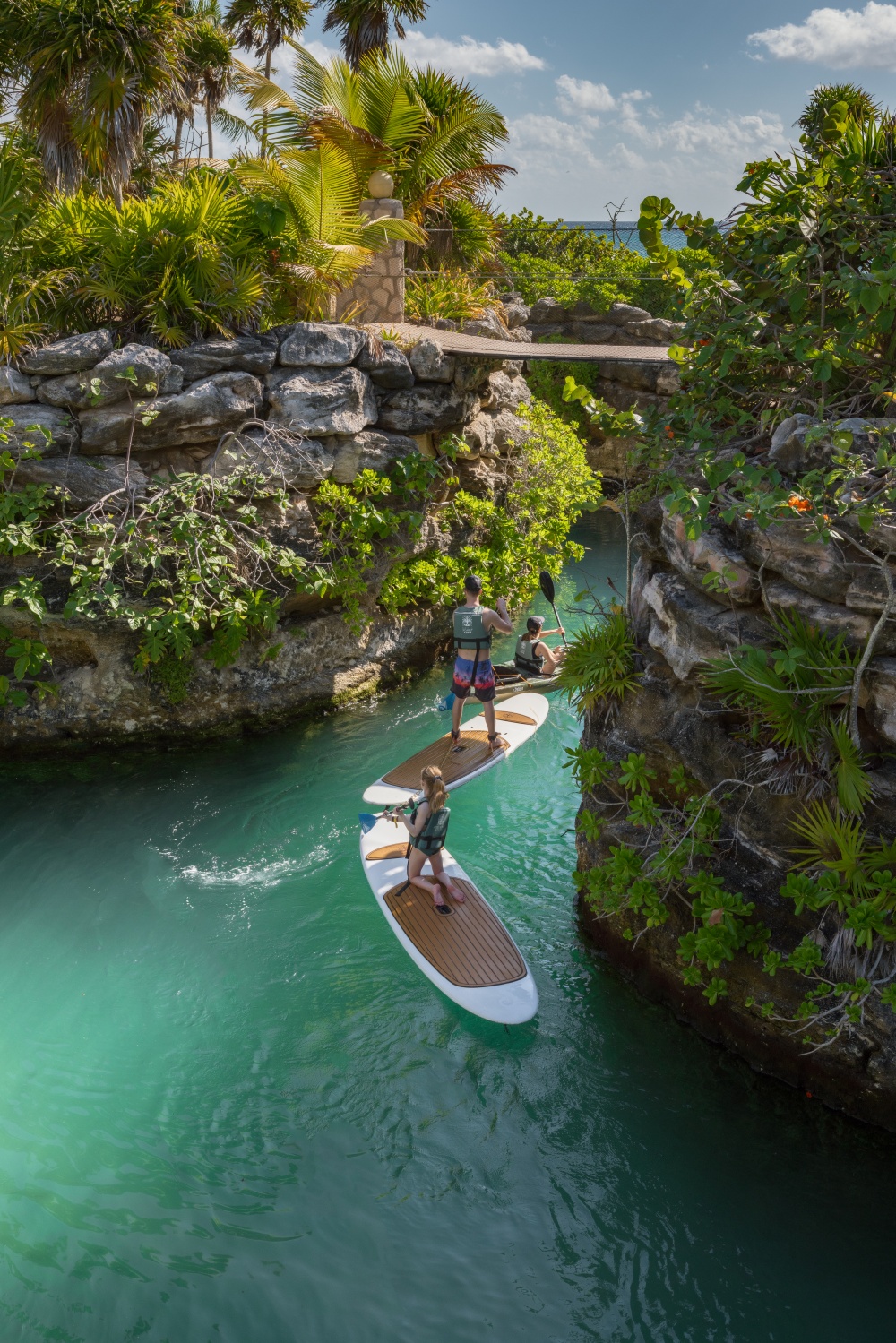
Top destinations by intensity
Soft adventure for families and first-timers
These destinations make outdoor activities accessible without requiring advanced skills.
Cancún and Riviera Maya, Mexico: cenotes, snorkeling, zip-lines, kayak-style activities, eco-parks, and comfortable resorts.
Costa Rica: wildlife tours, gentle hikes, hot springs, and beginner-friendly rainforest experiences
Hawaii: beaches, scenic hikes, waterfalls, and cultural activities.
Arizona and Utah: national parks, easy-to-moderate hikes, scenic drives, and guided canyon experiences.
Cancún and the surrounding Riviera Maya area are especially useful for travelers who want outdoor adventure vacations with a premium base. You can spend part of the day in the water, jungle, or cenotes, then return to a hotel with dining, spa, and pool time.
Medium adventure for couples and friends
These places work well for active travelers who want full days outside but still care about comfort.
Belize: snorkeling, reef experiences, caves, and jungle lodges.
Peru: Sacred Valley hikes, cultural sites, and active day trips.
Iceland: waterfalls, glaciers, hot springs, and dramatic road trips
British Columbia, Canada: hiking, kayaking, wildlife, and mountain scenery.
The best adventure vacation destinations at this level offer variety. You should be able to choose one active experience per day without feeling locked into a physically demanding schedule from sunrise to night.
Hard adventure for experienced travelers
These destinations are better for travelers who already know they enjoy physical challenge and remote environments.
Patagonia: trekking, wind, dramatic landscapes, and long outdoor days.
New Zealand: multi-day hikes, alpine scenery, and adventure sports.
Alaska: remote wildlife, kayaking, hiking, and expedition-style travel.
Nepal: high-altitude trekking and longer journey planning.
These trips can be unforgettable, but they require more preparation, time, and physical readiness than most casual vacationers expect.
Why Cancún works for soft and medium adventure
Cancún may be known for beaches, but the wider region gives active travelers much more to work with. In Cancún, Riviera Maya, and Quintana Roo, adventure can feel accessible rather than intimidating.
Travelers can mix:
Snorkeling in Caribbean waters
Swimming in cenotes
Exploring underground rivers
Zip-lining through jungle settings
Kayaking or floating through natural waterways
Visiting archaeological sites
Taking guided nature and culture excursions
This makes the region especially appealing to adventure-curious travelers who want authenticity without giving up comfort. You can build a three- to five-day itinerary with outdoor activity, water experiences, cultural context, and downtime, all without moving hotels every night.
Xcaret Parks: accessible adventure bases
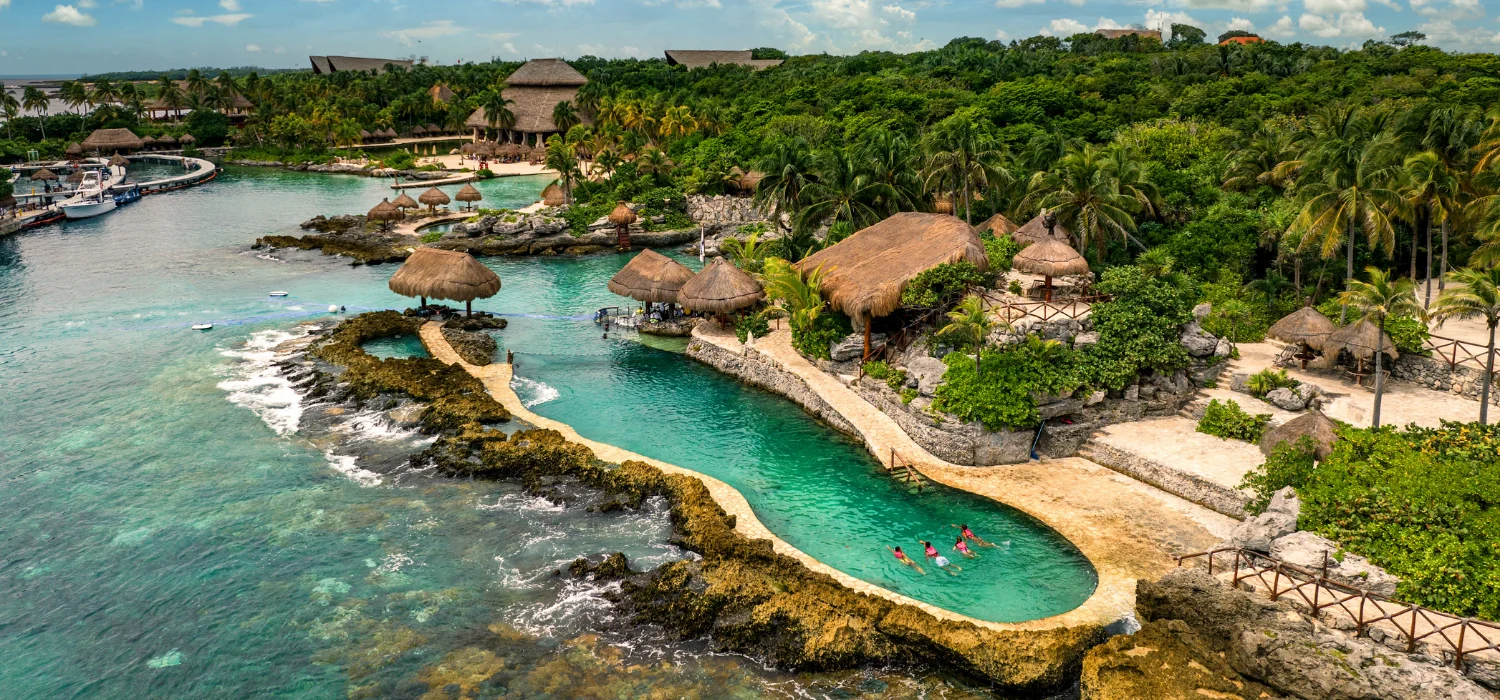
Xcaret parks help illustrate how adventure can be structured, scenic, and approachable. They are not remote expeditions; they are curated experiences in the Riviera Maya that allow travelers to engage with nature, water, culture, and movement while returning to a comfortable base.
Xcaret for nature, culture, and water
Xcaret combines natural landscapes with cultural programming, underground rivers, snorkeling areas, wildlife habitats, and the Xcaret México Espectacular show. It works well for travelers who want nature and culture in the same day without choosing an extreme activity level.
Xel-Há for water-focused exploration
Xel-Há is centered on its inlet, snorkeling, river experiences, water activities, and scenic viewpoints. It can be a strong fit for travelers who want a day in the water with enough structure, equipment, and facilities to keep the experience comfortable.
Xplor Fuego for nighttime adrenaline
Xplor Fuego adds a more energetic layer with nighttime zip-lines, amphibious vehicles, caves, and underground rivers. These adventure park experiences can appeal to couples or friends who want a thrill, but still prefer organized activities with defined routes and safety systems.
For travelers staying in a comfortable hotel in Cancún or Riviera Maya, these parks make it easier to add adventure without turning the whole vacation into a logistical challenge.
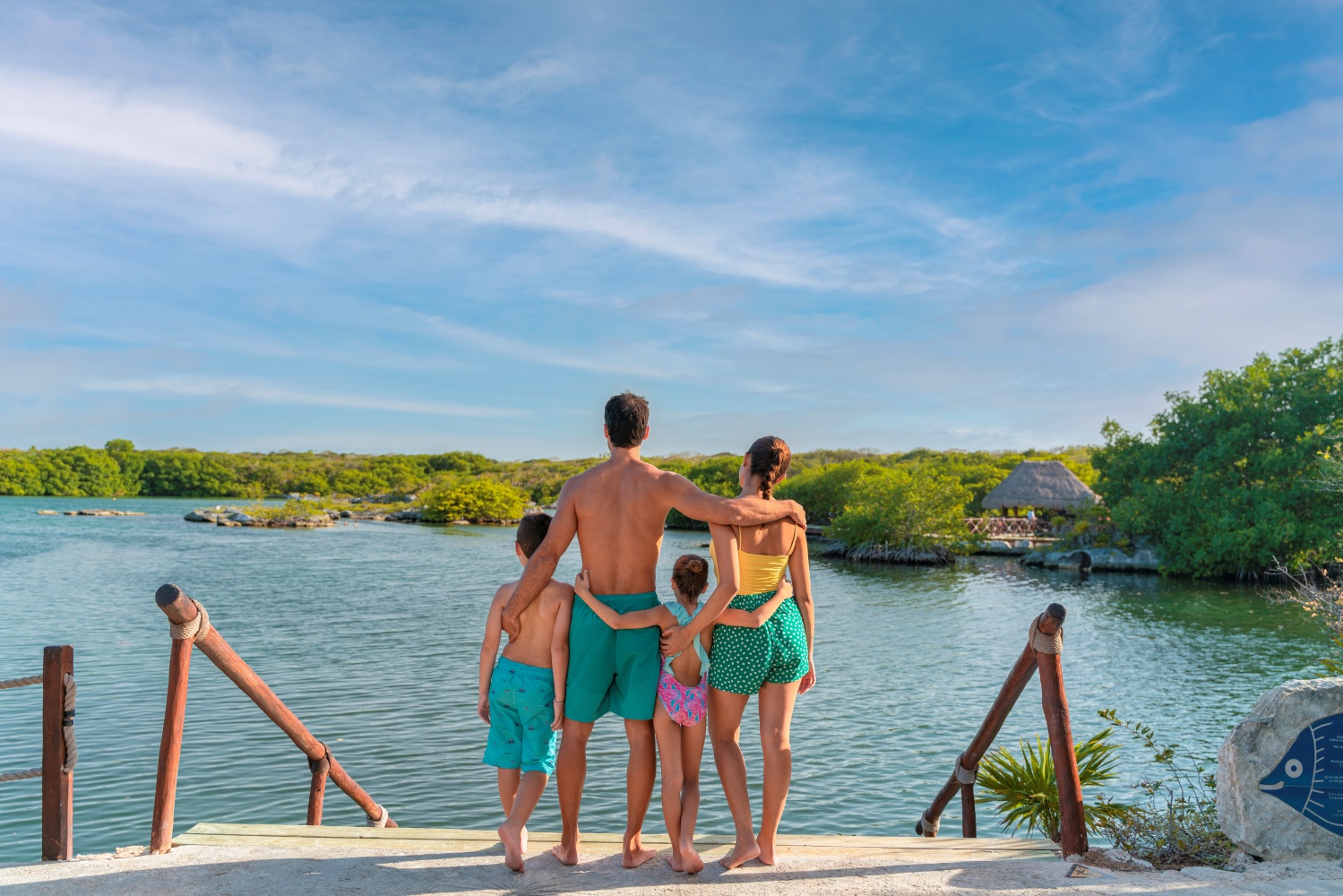
How to make adventure more sustainable
Adventure should not come at the expense of the places that make it special. Natural areas such as cenotes, reefs, jungles, and rivers need careful visitor behavior.
Travel more responsibly by:
Choosing operators with clear safety and environmental practices
Using reef-safe sunscreen when required
Showering before entering cenotes or protected waterways
Staying on marked paths and respecting barriers
Never touching coral, wildlife, or rock formations
Bringing a reusable water bottle when possible
Avoiding single-use plastics on excursions
Following guide instructions, even when an activity feels easy
Supporting experiences that include conservation or education
Comfort and sustainability can go together. In fact, well-managed experiences often make outdoor travel safer for visitors and better for the ecosystem.
Frequently asked questions
Do I need travel insurance for an adventure-focused trip?
Travel insurance is worth considering for trips that include outdoor activities, water experiences, international travel, or prepaid reservations. Review the policy carefully to understand what activities are covered and whether medical care, cancellations, delays, or equipment issues are included.
What should I pack for an adventure vacation?
Pack lightweight activewear, swimwear, secure sandals or water shoes, sun protection, a hat, a reusable water bottle, a dry bag, insect repellent, and any personal medication. If your trip includes cenotes, snorkeling, or jungle activities, bring clothing that dries quickly.
Do I need to be very fit for adventure travel?
Not always. Many soft-adventure experiences are designed for beginners or mixed fitness levels. The most important step is reading activity requirements before booking, checking age, height, weight, swimming, or mobility restrictions, and choosing experiences that match your comfort level.
A smarter way to choose your next active escape
Today’s adventure is less about going to extremes and more about choosing meaningful outdoor experiences that fit your real life. Cancún and the Riviera Maya are strong options for travelers who want a comfortable base with water, jungle, culture, and guided outdoor experiences nearby. With cenotes, snorkeling, zip-lines, underground rivers and parks, the region shows how adventure vacations can feel both exciting and restorative.
Related posts


Parks


Tours



Xcaret Xailing


Hotel





Grupo Xcaret
Hotels
Xcaret - Mexico, Chetumal - Puerto Juarez Federal Highway, Km. 282, Rancho Xcaret,Playa del Carmen,Quintana Roo. México. CP 77710.
Telephone USA/CAN: 1-855-326-0682 Open Monday to Friday from 7:00 a.m. at 12:00 a.m. | Saturdays and Sundays from 7:00 a.m. at 10:00 p.m. Quintana Roo local time.
©Copyright 2022 Experiencias Xcaret Parques, S.A.P.I. de C.V
