Name a Handcraft and I'll Tell You Where You're From
August 20, 2026
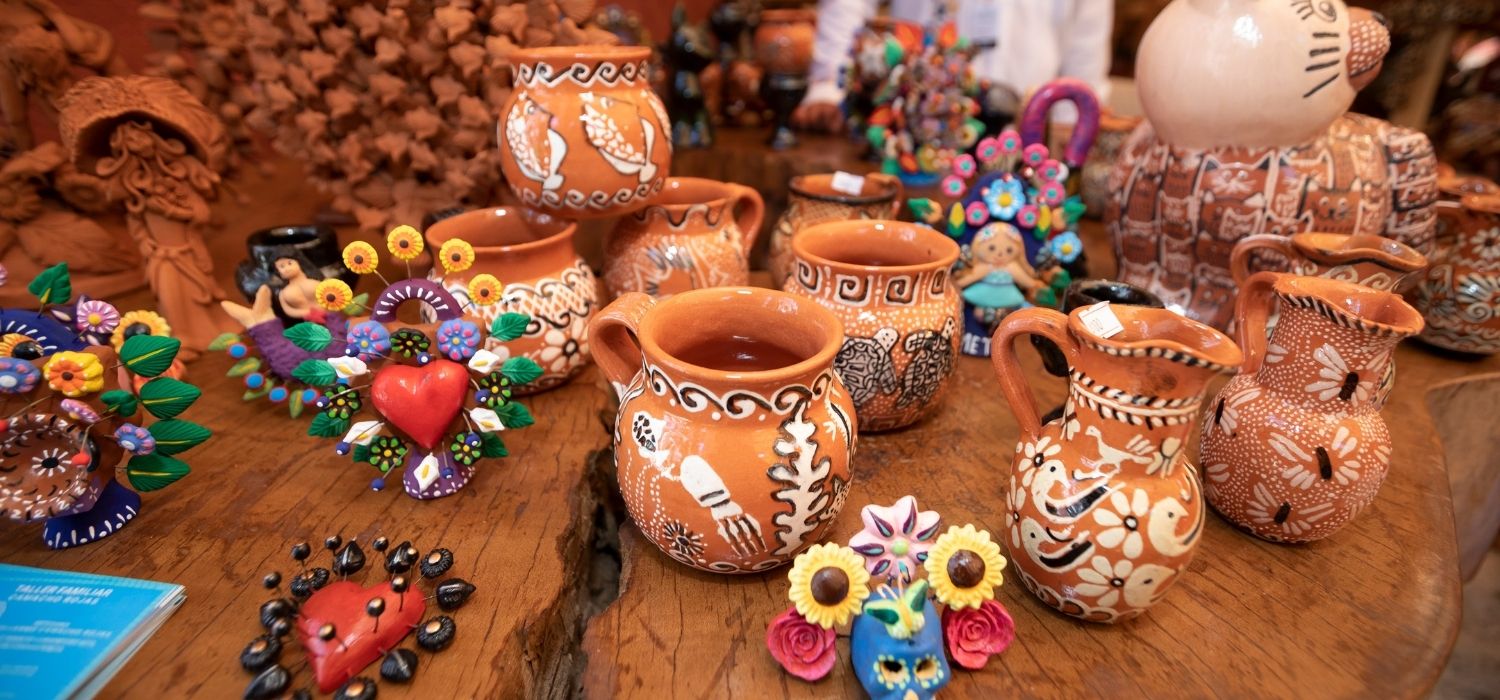
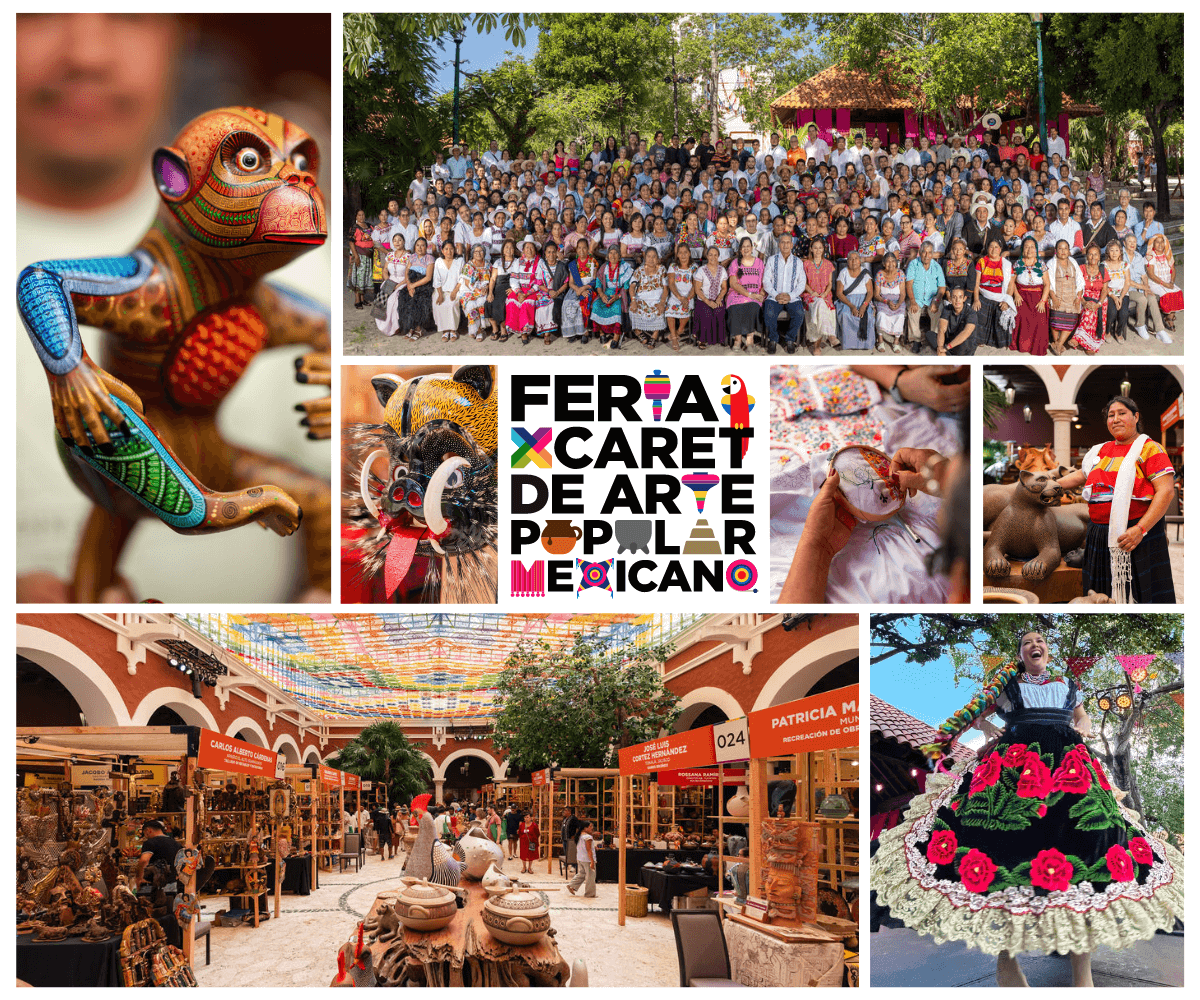
México is home to an extraordinary and diverse artisanal heritage. Across every region of the country, different types of clay and wood give each piece its own identity. The iconography found in embroidery tells stories of daily life, as well as the flora and fauna that surround each community. We invite you to visit the fair, seek out artisans from your state, and perhaps discover something that takes you back to childhood, or learn something entirely new.
BAJA CALIFORNIA
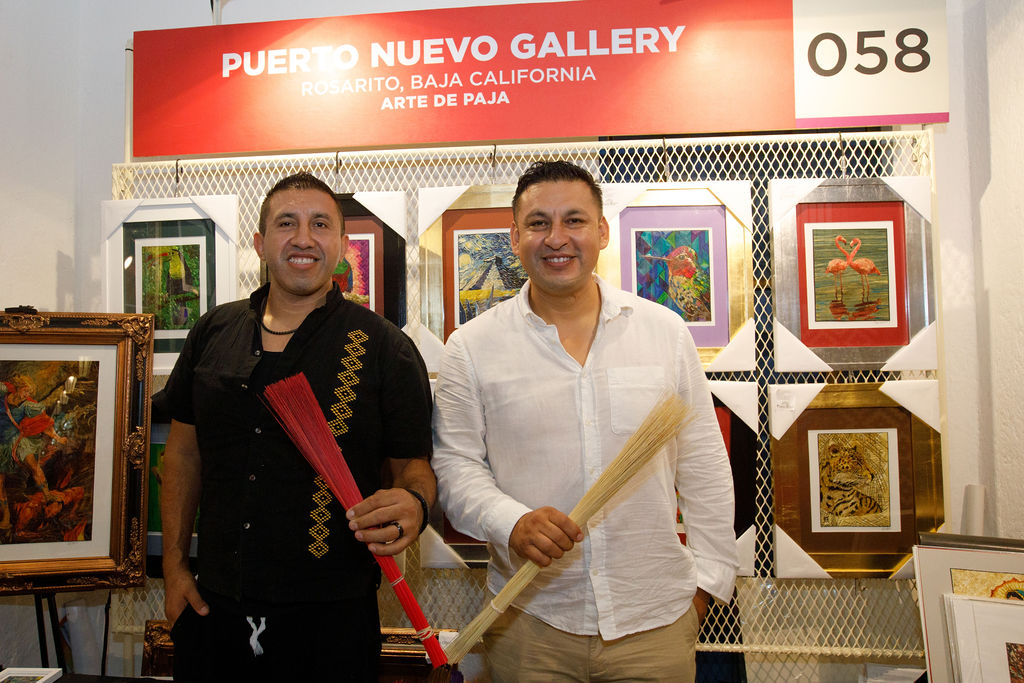
With the presence of two artisans, we will discover more about their traditions through the handmade art of basketry using natural fibers, as well as popotillo, a technique that uses fine fibers to create intricate compositions.
Basketry is one of the oldest artisanal techniques: a way of transforming natural fibers into functional and decorative pieces. Creating them requires skill, patience, and an in-depth knowledge of the materials.
Visit the Puerto Nuevo Gallery stand to discover the art of popotillo, known for the remarkable precision required to place each tiny fiber and create designs rich in color and detail.
Both expressions showcase the knowledge, creativity, and dedication that go into these handmade pieces.
CAMPECHE
Campeche will be represented by a collection of earrings, bracelets, necklaces, and other jewelry crafted from bull horn, distinguished by their elegance and artisanal finish.
We will also admire beautiful embroidered textiles by Gabriela Alejandra León Moo, created using traditional techniques such as cross-stitch, lomillo stitch, punto de rescate, and Mayan embroidery. Each technique reflects a depth of knowledge and dedication passed down through generations.
CHIAPAS
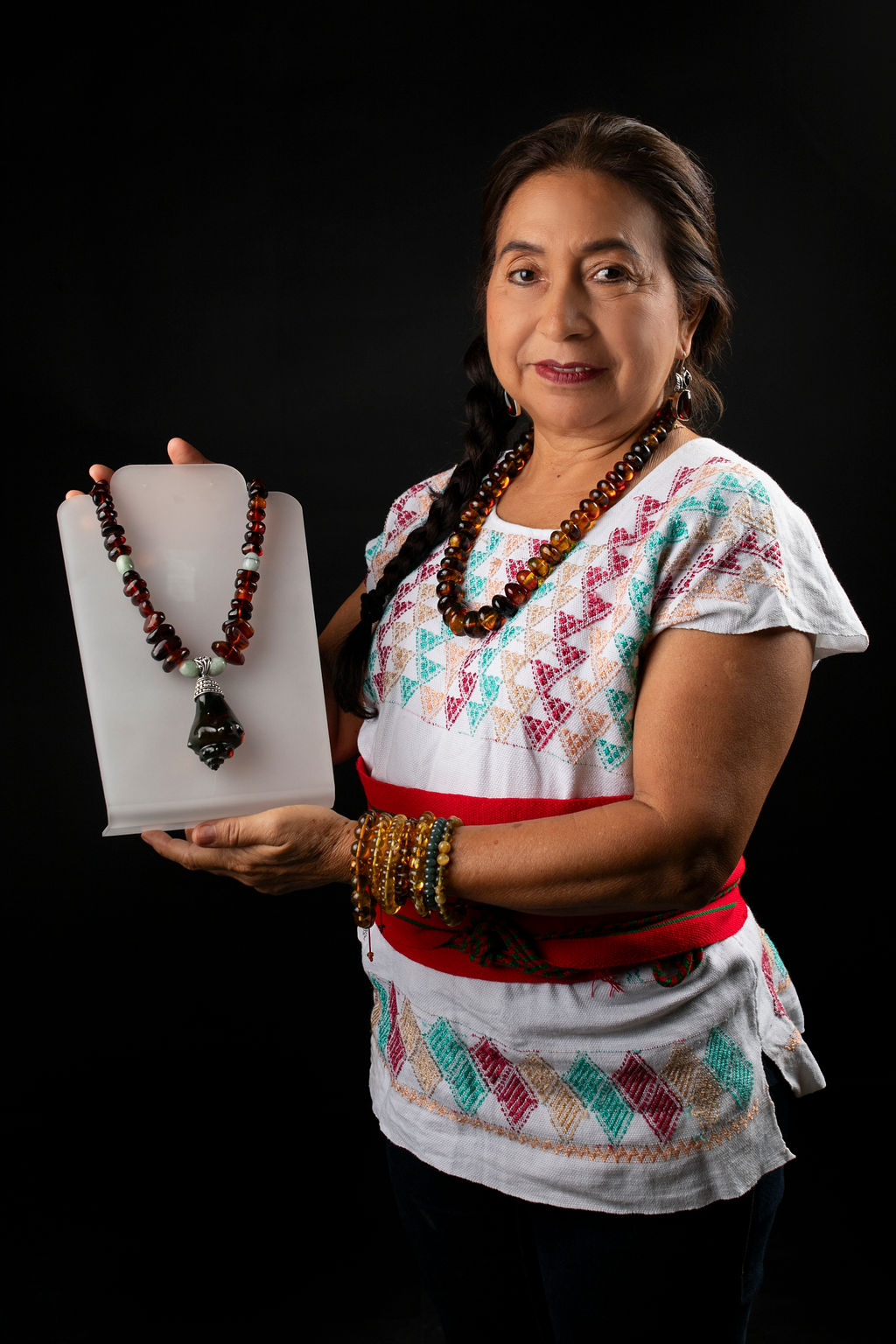
Sixteen artisans will showcase the state’s rich cultural heritage through a wide selection of wooden toys, carved wood pieces, amber and traditional lacquer work, as well as amber and silver jewelry.
Amber is one of Chiapas’ most representative materials. Artisans transform this natural resin into distinctive pieces of jewelry, highlighting its beauty and unique characteristics. Discover the work of Elizabeth Mendoza.
We will also admire textiles woven on the backstrap loom, an ancestral technique that gives form to pieces filled with color, meaning, and identity. Among the featured works by Cecilia Gomez Diaz are huipiles and gabanes, as well as the renowned jaguar ceramics, one of the region’s most distinctive artistic expressions.
CHIHUAHUA
Mata Ortiz pottery is renowned for its distinctive technique and intricate designs. Its geometric patterns and symbolic motifs reveal a deep connection to the land, where tradition and nature meet.
Each piece follows a meticulous process in which every line and decorative detail requires remarkable precision.
We will also admire textiles, traditional garments, and handmade dolls that preserve the cultural identity of the state and showcase the talent of those who continue to keep these traditions alive.
ESTADO DE MÉXICO
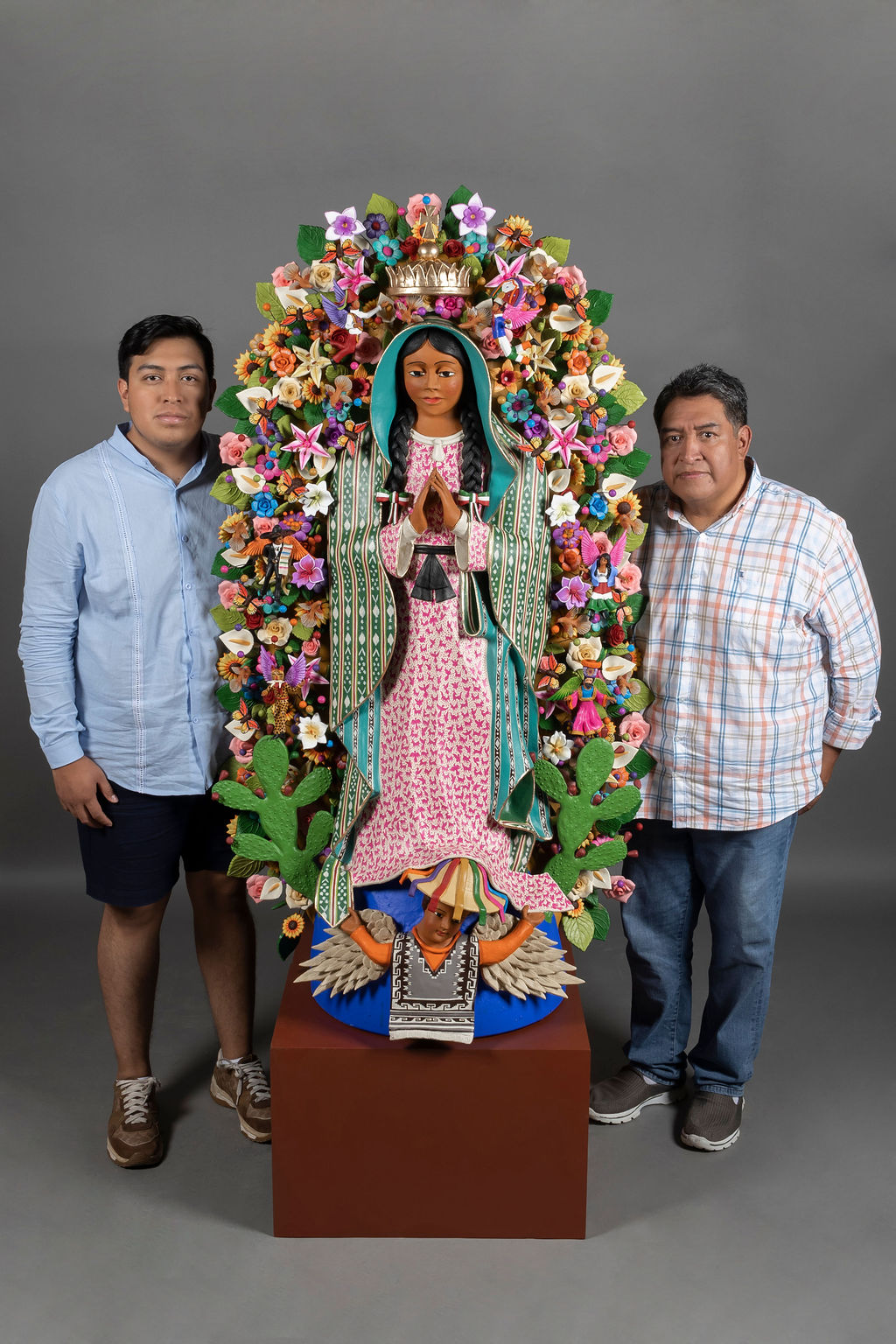
Eight artisans will share a selection of rebozos woven on traditional looms in Tenancingo, natural-fiber crafts, Mazahua jewelry, ceramics, glazed pottery, and polychrome clay pieces.
Tenancingo rebozos reflect generations of knowledge, requiring mastery of weaving techniques and dedication to every detail.
We will also admire the traditional Trees of Life by Oscar Soteno, wooden chairs in different sizes by Casa Klaudia, and pieces created using the empuntadora technique. Each creation reflects the talent, dedication, and cultural heritage of its communities.
MEXICO CITY
Discover the traditional and contemporary silverwork of Julio Joaquín Rojas, who transforms precious metals into finely crafted pieces of jewelry that captivate the eye.
COLIMA
An artisan will showcase one of the state’s most representative traditions: handmade huaraches, crafted using techniques passed down from generation to generation.
Each pair reflects the skill and dedication required to keep this craft alive. More than footwear, they are an expression of Colima’s artisanal heritage and the commitment to preserving a living tradition.
GUANAJUATO
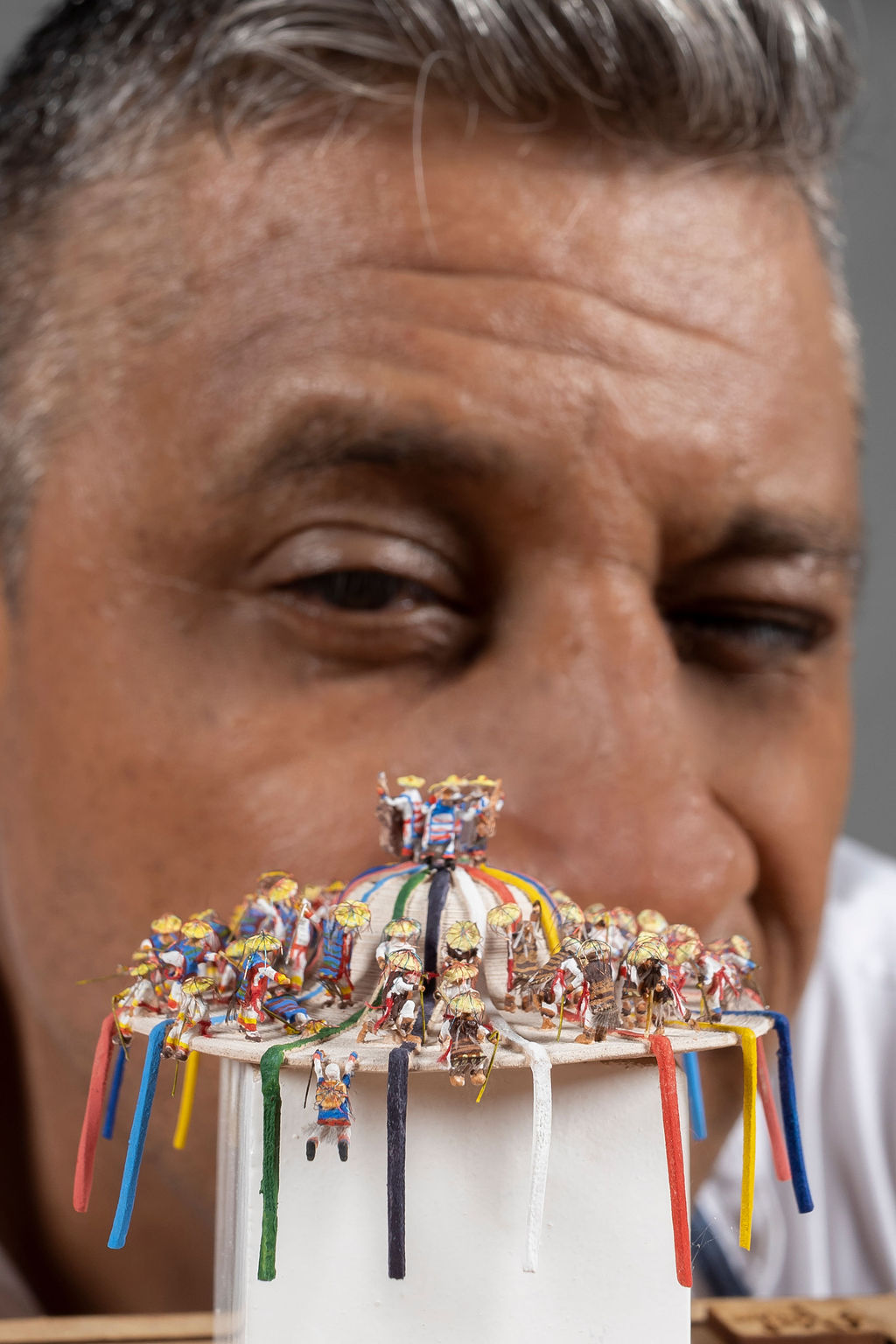
Nine artisans will share a selection that brings together creativity and tradition. Discover miniatures and decorative ceramics by Abel Ávalos, wooden toys, silver jewelry, as well as paintings and divs carved from wood.
We will also discover traditional papier-mâché work by Osvaldo Ruelas, among other creations that showcase a remarkable variety of color and imagination.
GUERRERO
Nine artisans will present textiles woven on the backstrap loom, including works by Elida Merino and Victorina Lopez Hilario from Xochistlahuaca.
The collection will also feature decorated ceramics, gourds, wooden pieces by brothers Oscar and Carlos López, striped lacquerware and boxes, hand-carved and painted masks, amate paper decorated with drawings, and traditional pottery.
HIDALGO
Otomí art is one of the most distinctive expressions of Hidalgo’s cultural heritage.
Known for its colorful embroidery and richly detailed designs, it brings together vibrant colors and traditional symbols. Each piece reflects the identity, creativity, and heritage of its communities, preserving stories, customs, and traditions through the talent and dedication of its makers. Discover the craftsmanship and vibrant colors found in the work of Beatriz Cajero.
JALISCO
Eighteen artisans will showcase a wide range of techniques that reflect the state’s cultural diversity. Discover fine cutlery, tire-rubber huaraches, volcanic stone pieces, silver jewelry, and piteado leatherwork.
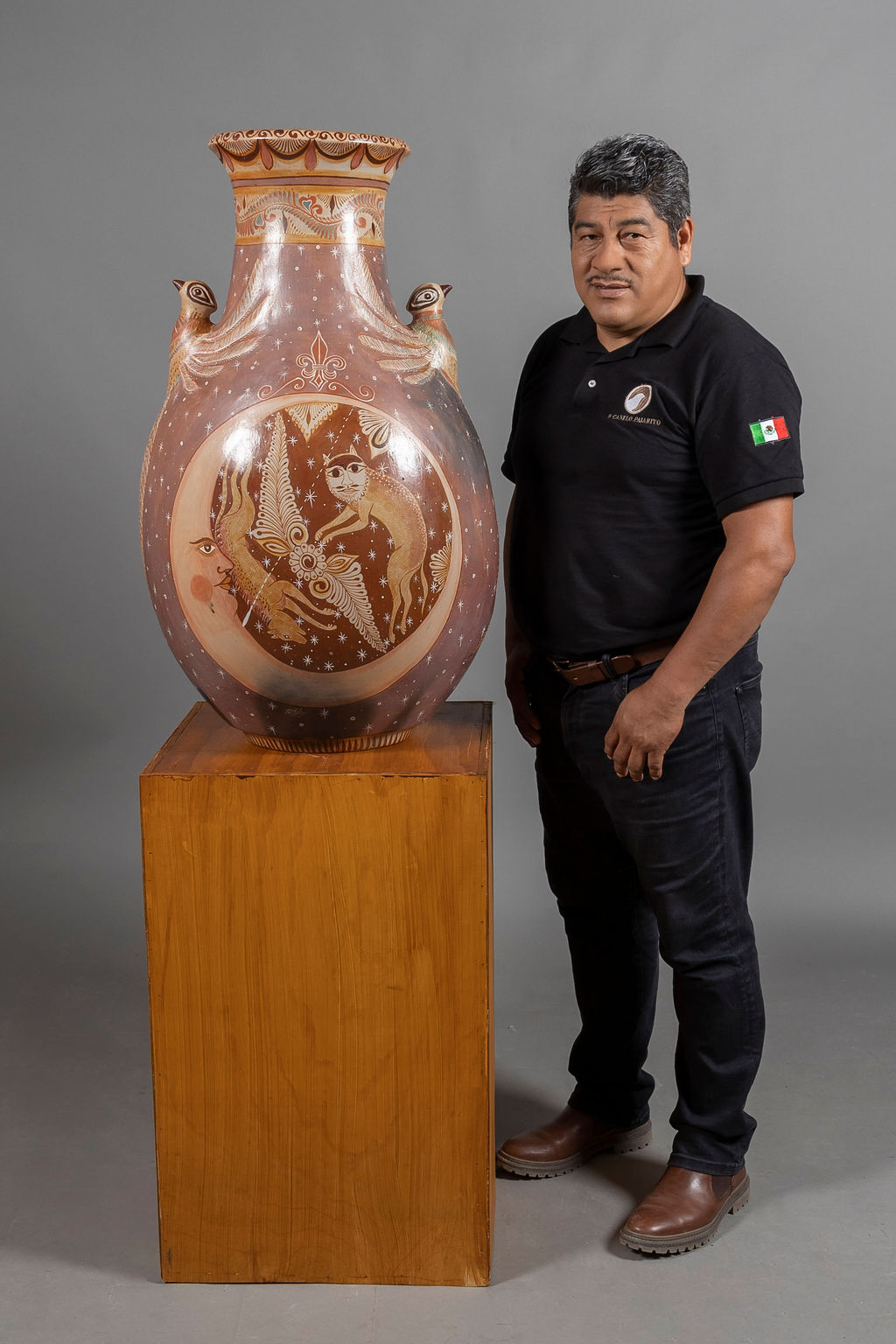
The collection will also feature Wixárika art, lapidary work, glazed pottery, petatillo ceramics, burnished clay, canela clay by Pablo Pajarito, bandera pottery, pre-Hispanic replicas, betus pottery, and mirrors. Each expression reflects the talent and creativity of the artisans who continue to keep these techniques alive.
MICHOACÁN
Eighteen artisans will showcase the state’s rich artisanal heritage, including beautiful textiles with thematic embroidery. These works serve as a form of expression that captures customs, beliefs, and everyday life, offering a window into the past and a guide toward the future.
Discover ceramics, lacquerware and gourd crafts, glazed pottery, red clay, inlaid maque, chuspata, polychrome clay, tower pots, carved wood, dotted pottery, and the traditional pineapple-shaped ceramics.
Maque is a long-standing decorative technique that embellishes pieces with delicate designs.
The diversity of materials and techniques found throughout Michoacán makes it one of Mexico’s richest states in terms of artisanal traditions.
OAXACA
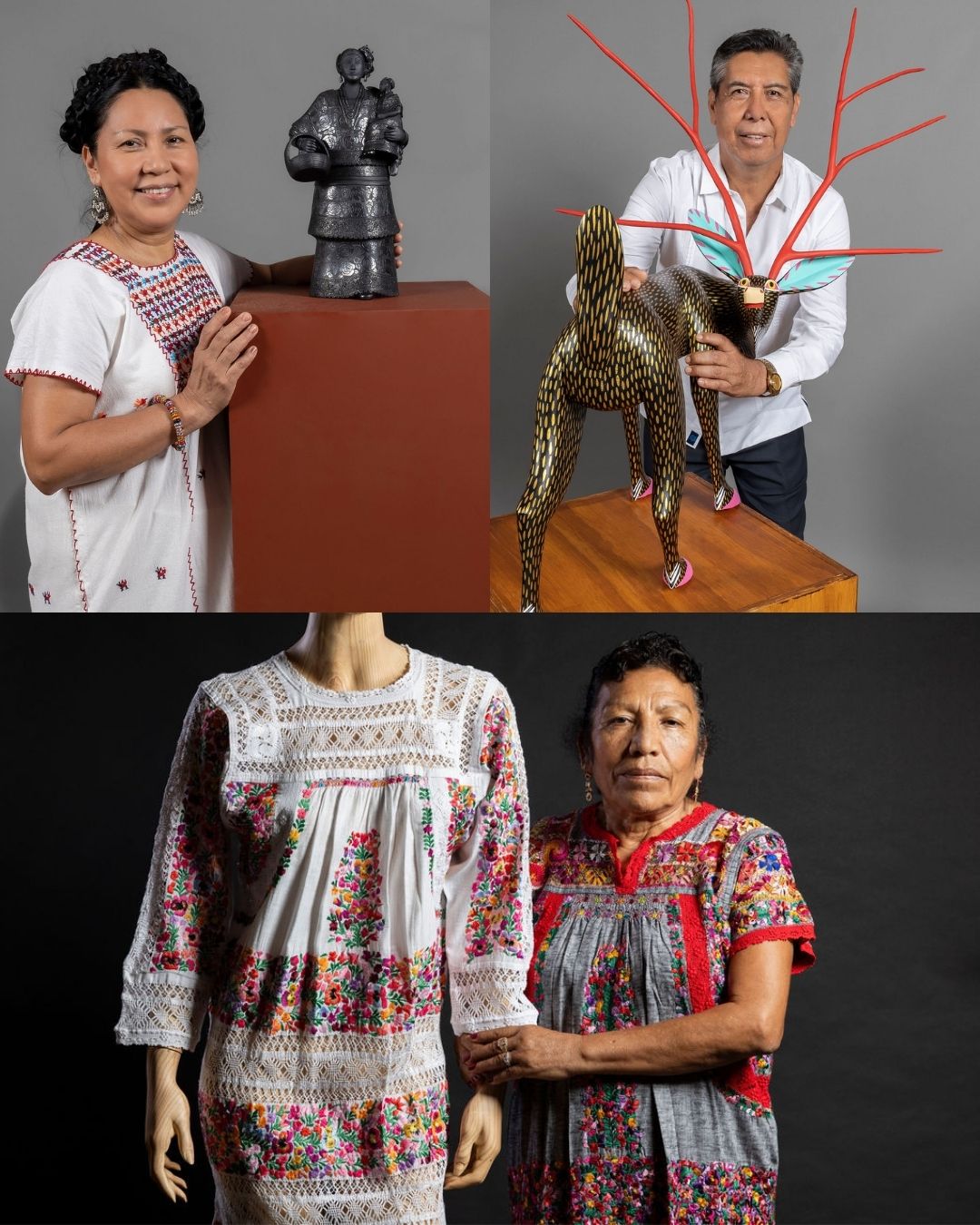
Thirty artisans will share a selection of beautiful textiles woven on the backstrap loom, as well as embroidered enaguas featuring the meticulous deshilado technique, cotton blouses with embroidery, dresses, Amuzgo art, and garments dyed with purple sea snail.
We will also find hand-painted wooden pieces that reflect the talent of Oaxaca’s artisans, their cultural heritage, and their commitment to preserving techniques passed down from generation to generation.
PUEBLA
Eight artisans will showcase amate paper, glass, polychrome clay pieces by Alfonso Castillo and his son, glazed pottery, and textiles created using traditional techniques passed down through generations. You can also find traditional cooking pots by Justino.
The amate paper by Julio Laja is made from the bark of different trees using traditional techniques.
Each piece reflects the creativity and dedication of the artisans who continue to preserve a living cultural heritage.
QUERÉTARO
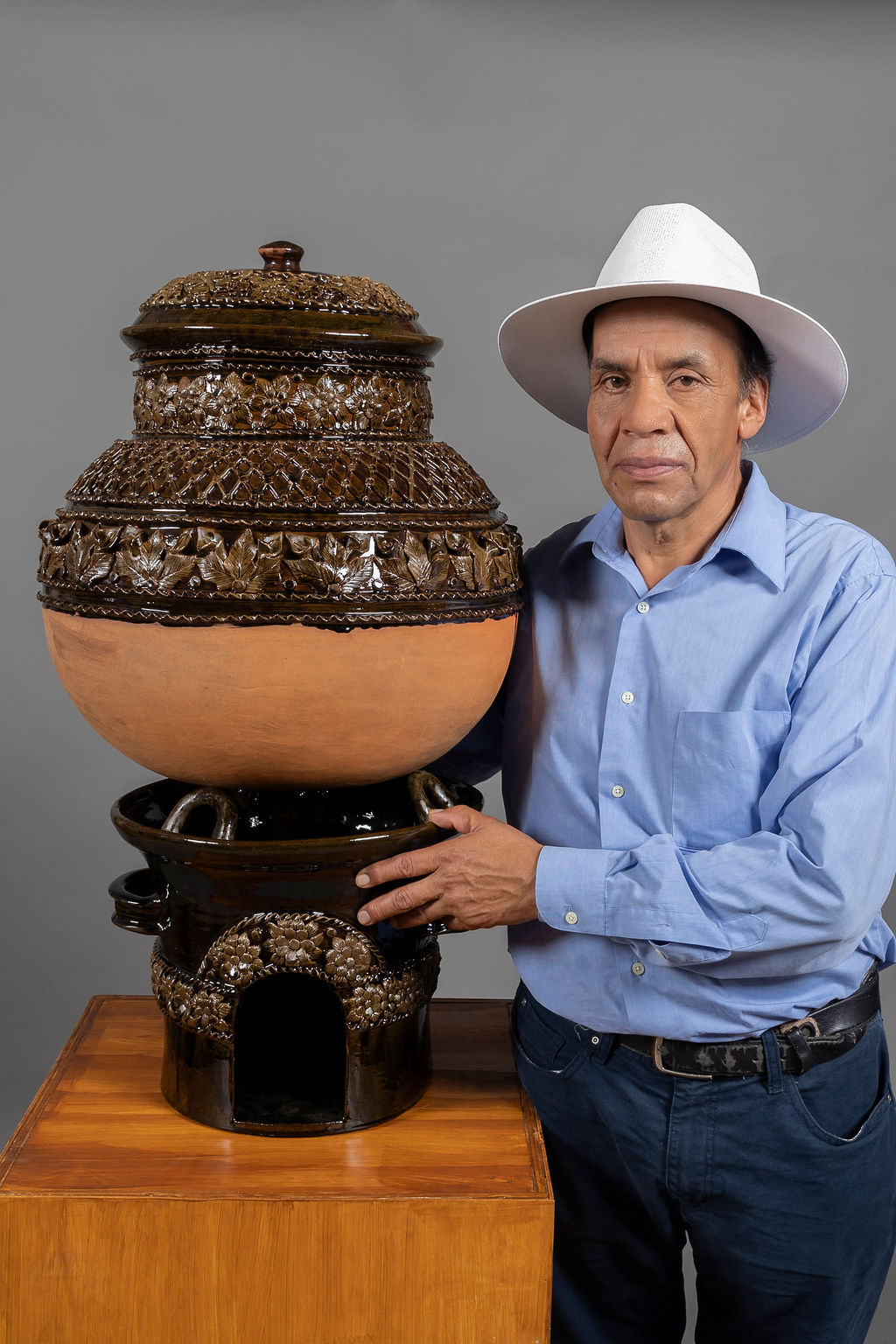
Discover high-fired ceramics and textiles.
High-fired ceramics from Villa Progreso reflect both tradition and a continuous pursuit of balance between technique, design, and functionality. They are distinguished by their quality, durability, and carefully crafted finishes.
You will also find embroidered textiles featuring designs inspired by the history and traditions of their communities.
SAN LUIS POTOSÍ
Arturo will share a selection of the state’s artisanal heritage through rebozos woven using the ikat technique, along with wooden pieces crafted by hand. Ikat involves dyeing the threads before weaving them, creating distinctive patterns and visual effects.
These pieces reflect the dedication and knowledge passed down from one generation to the next.
You can also discover marquetry boxes, decorated with small pieces of wood and other materials carefully arranged to create intricate forms and designs.
QUINTANA ROO
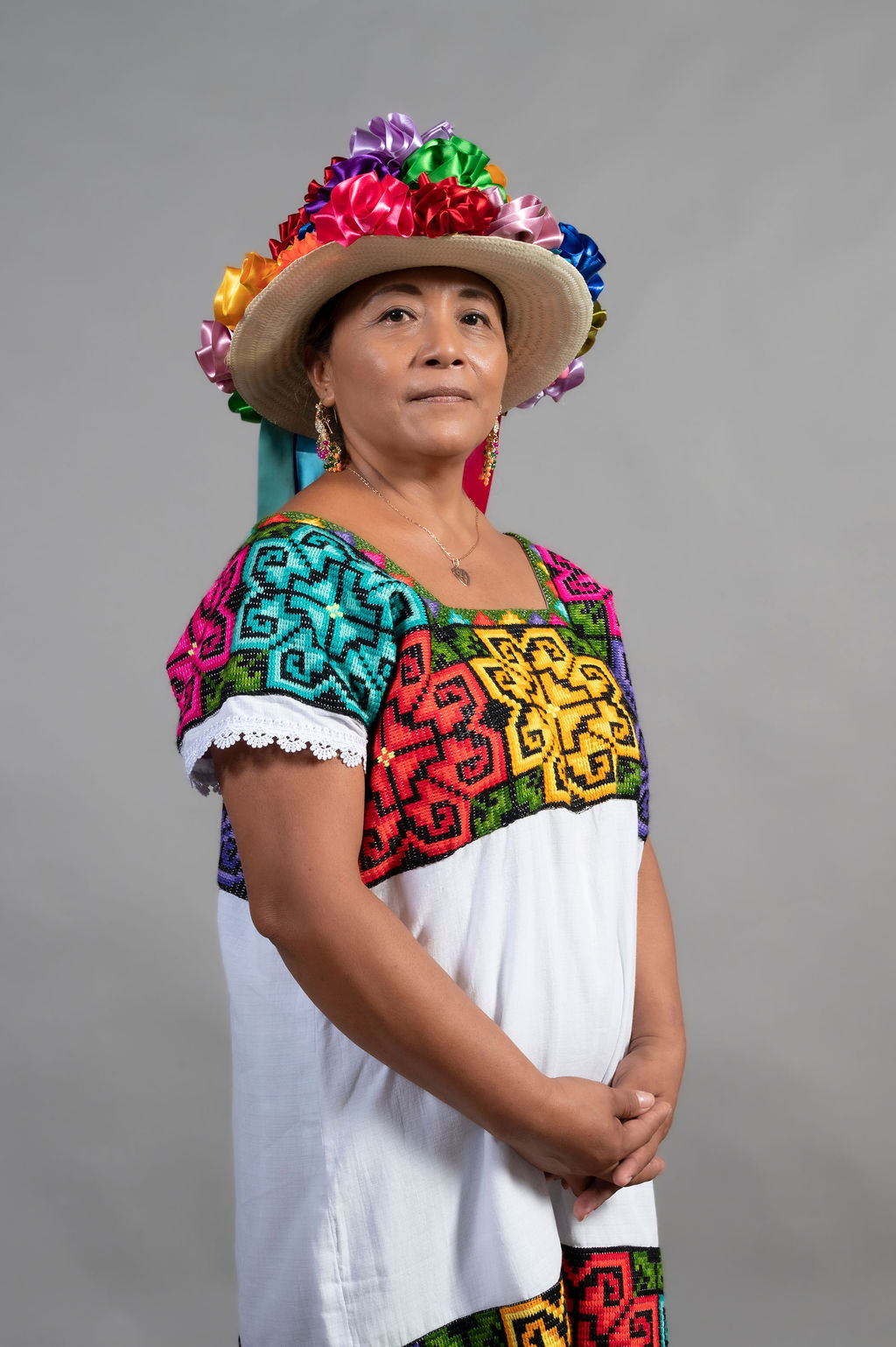
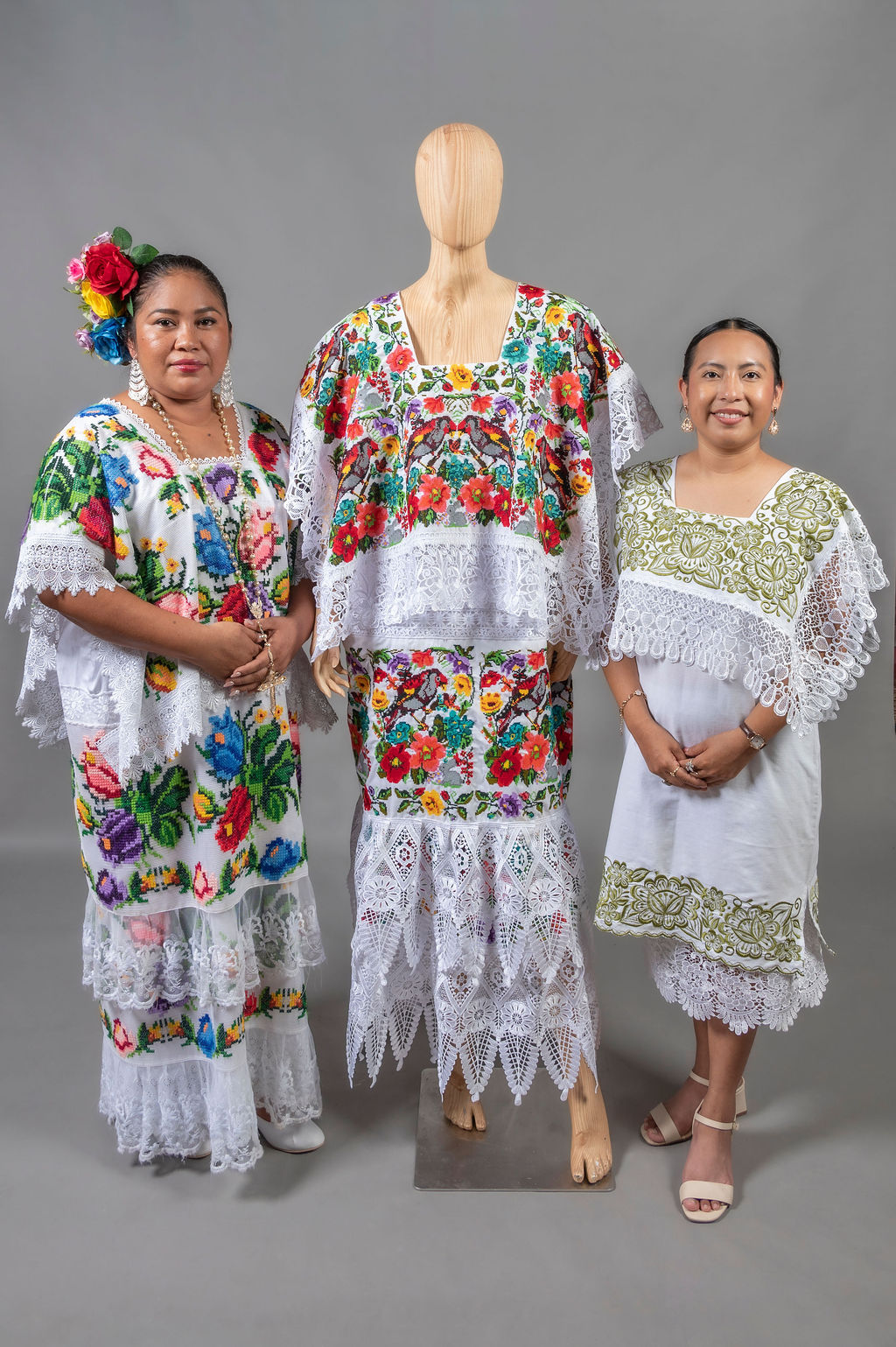
Four artisans will share a selection that reflects the state’s talent and cultural heritage. Discover embroidery from the Mayan region created using the cross-stitch technique. Mayan embroidery is distinguished by the delicacy of each stitch, with artisans using color and design to express part of their identity.
We will also admire a variety of wood-carving techniques used to create both functional and decorative pieces.
Together, these artisanal expressions offer a glimpse into the history, identity, and traditions of the region.
TABASCO
Discover beautifully carved wooden pieces for everyday use, from spoons and salad forks to containers for sauces and salads, as well as beautifully decorated jícaras.
TAMAULIPAS
Discover one of the state’s most traditional garments: the Cuera Tamaulipeca, crafted from calfskin or deerskin and decorated with floral engravings and long fringes.
Each cuera carries the story of the hands that create it, representing the pride and dedication behind a beautiful tradition that remains alive today.
VERACRUZ
Veracruz will share part of its artisanal heritage through garments dyed with the traditional Azul de Veracruz. Artisans use the jiquilite plant (Indigofera suffruticosa) to achieve deep blue tones. This artisanal process, which was once at risk of disappearing in the region, gives the textiles a distinctive identity and highlights the beauty of each piece.
We will also discover clay pieces created using the pastillaje technique with natural slip. This process involves decorating pieces with small raised elements made from the same clay, a technique recognized for its intricate details and the care required to create them.
YUCATÁN
Yucatán will present a selection that reflects the richness of its cultural heritage, including recreations of pre-Hispanic pieces, traditional guayaberas, carved wood, silver filigree, the revival of traditional Yucatecan stitches, and renowned Yucatecan embroidery.
Guayaberas are known for their elegance and lightness, while silver filigree stands out for the delicacy of its fine metal threads, carefully intertwined to create intricate designs.
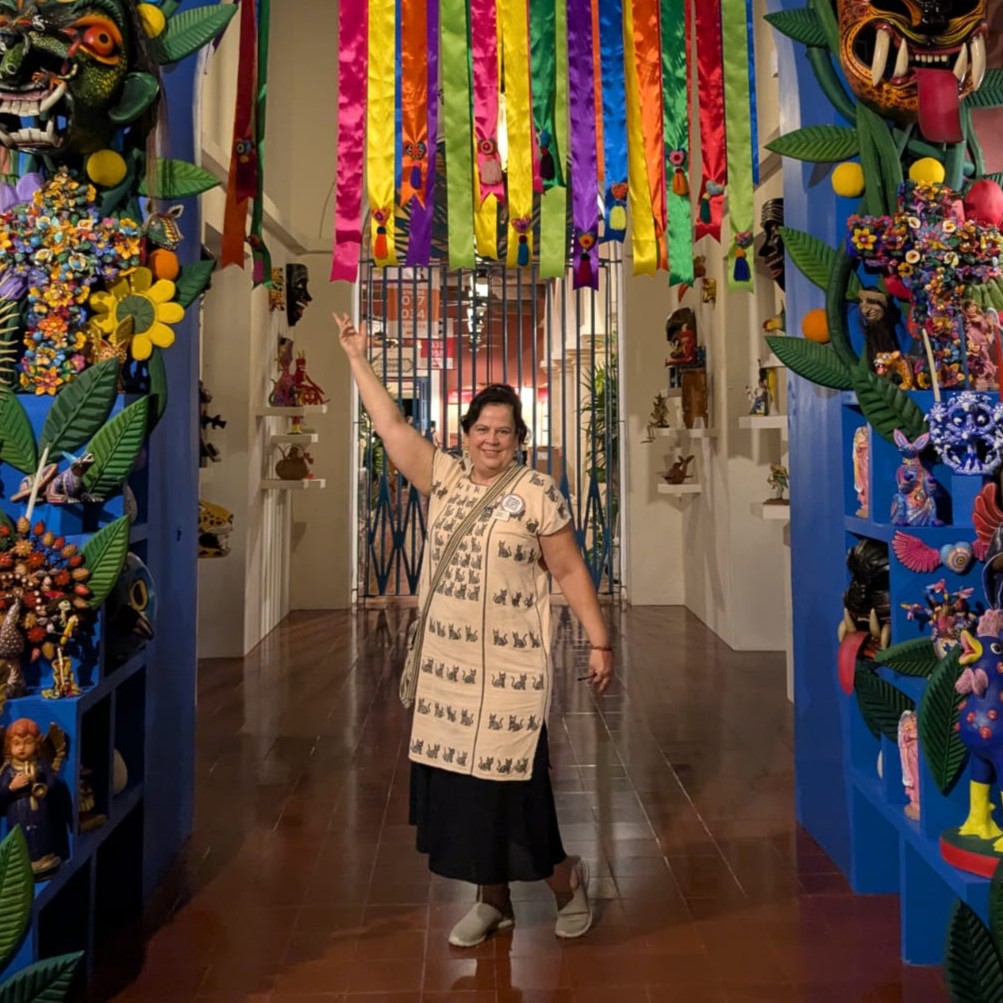
Amante del Arte Popular, Coordinadora de la Feria Xcaret de Arte Popular Mexicano.
Related posts



Parks


Tours



Xcaret Xailing


Hotel




Grupo Xcaret
Hotels
Xcaret - Mexico, Chetumal - Puerto Juarez Federal Highway, Km. 282, Rancho Xcaret,Playa del Carmen,Quintana Roo. México. CP 77710.
Telephone USA/CAN: 1-855-326-0682 Open Monday to Friday from 7:00 a.m. at 12:00 a.m. | Saturdays and Sundays from 7:00 a.m. at 10:00 p.m. Quintana Roo local time.
©Copyright 2022 Experiencias Xcaret Parques, S.A.P.I. de C.V
